Photography: Nick Watt
In 2020, landscape designer Henry Chapple-Cox of Secret Gardens crossed the threshold of this Eastern Suburbs house before Marston Architects had worked their magic on the home. Both the garden and house were disjointed, he says. At the rear, the living areas looked directly to a rendered wall, with the rest of the garden, including the pool, a level above and only visible from the bedrooms upstairs.
Indoors and out, the only common ground was the formal rigid and boxy aesthetic – exemplified by a lollipop tree on the street ingloriously trimmed into a cube. In short, both garden and house had to let their hair down.
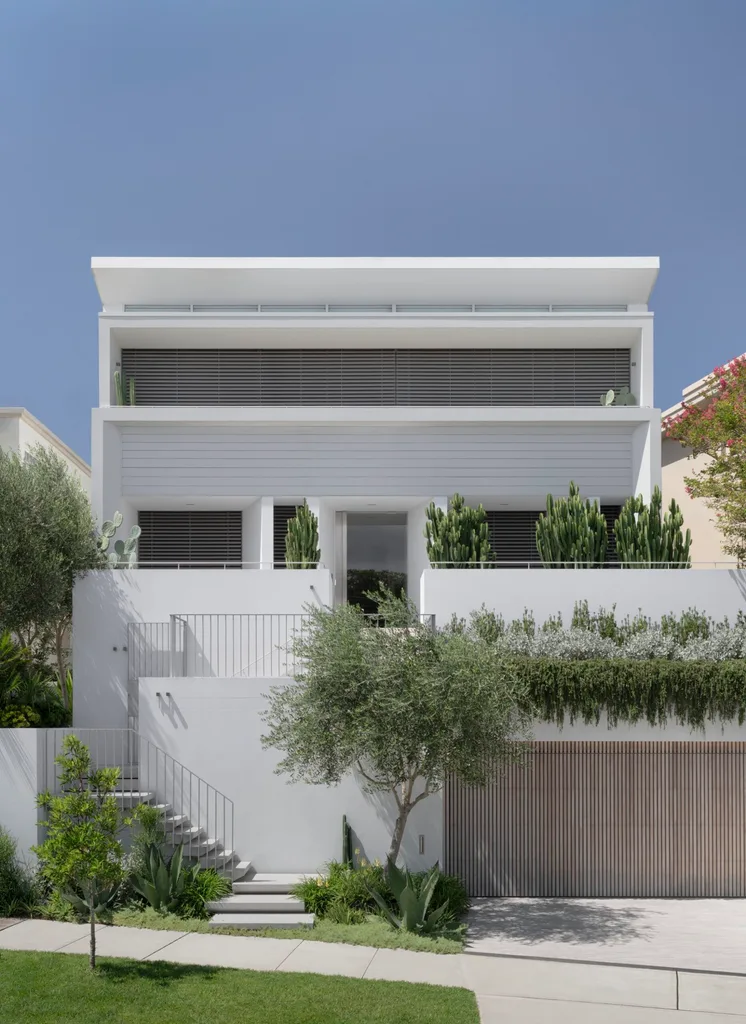
First, architect Pip Marston revitalised the home, which was originally built by the owners in 2001. Within the existing envelope, she flipped the interiors, shifting the living areas from the ground to the first floor to enjoy spectacular harbour views on one side and a seamless connection with the rear garden on the other.
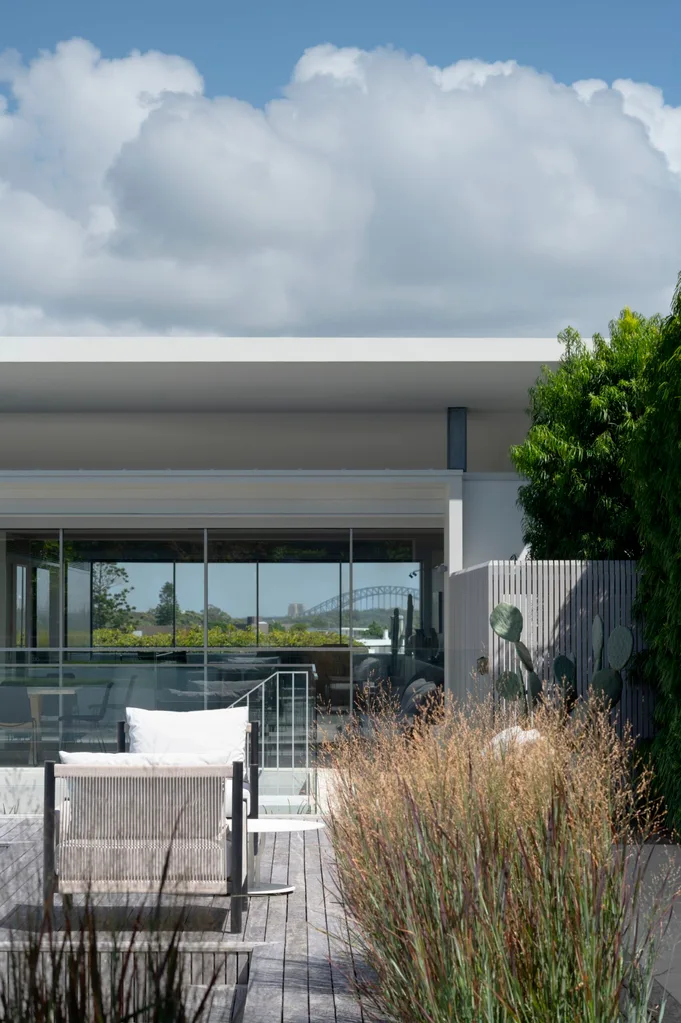
Internal walls were removed to allow sight lines right through the home – now you can glimpse the Sydney Harbour Bridge from the pool area – while exposing the unique roof shape, which floats over the living areas.
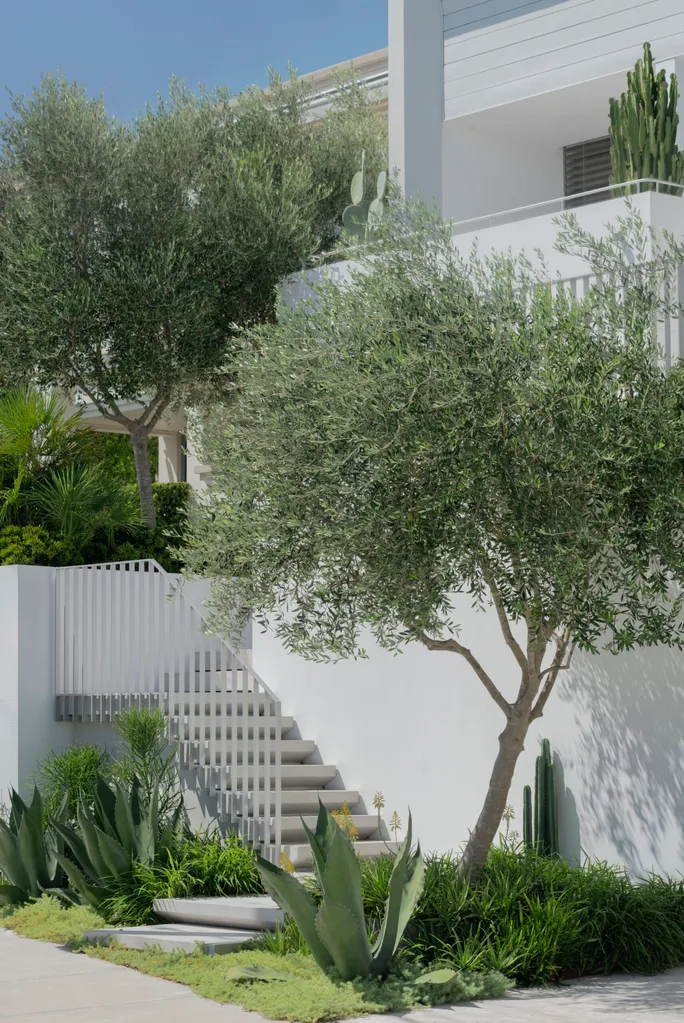
The facade was simplified by removing awkward shapes and angles, and installing elegant cantilevered steps. Not surprisingly, the garden needed a similar reinvention, with Henry relishing the job ahead.
“It needed to be brought to life and loosened up by introducing informality and fun and whimsy to complement the lighter, loftier style of architecture,” he says. But it also had to offer privacy, as this is a built-up area.
Henry started from scratch, retaining just the pool and some concrete planters. He was faced with several challenges: the relative shallow soils on the west-facing site, which was also subject to harsh afternoon sun, and the backyard on several levels, exacerbated by the pool slap-bang in the middle.
“It needed to be brought to life and loosened up by introducing fun and whimsy.”
Henry Chapple-Cox, Landscape Designer
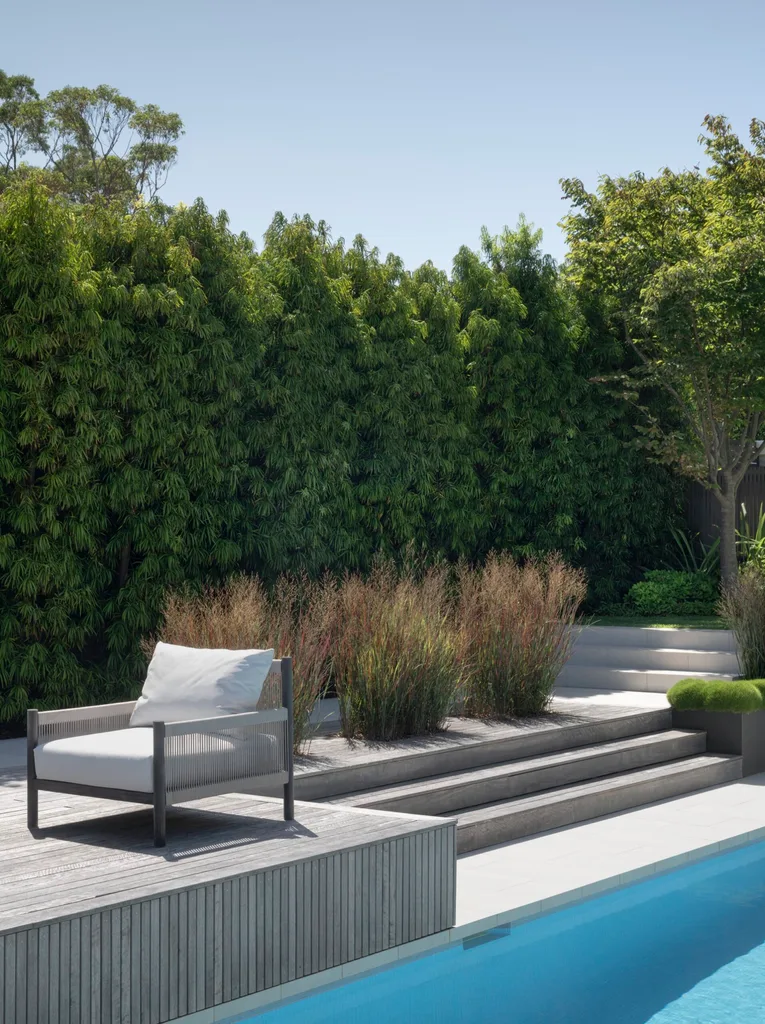
Retaining the pool in its original location, he refurbished it with new coping and added a new floating hardwood deck. This creates a large level expanse and connects to a new walkway, leading directly to the living areas on the upper level, which enjoy wall-to-wall glazing.
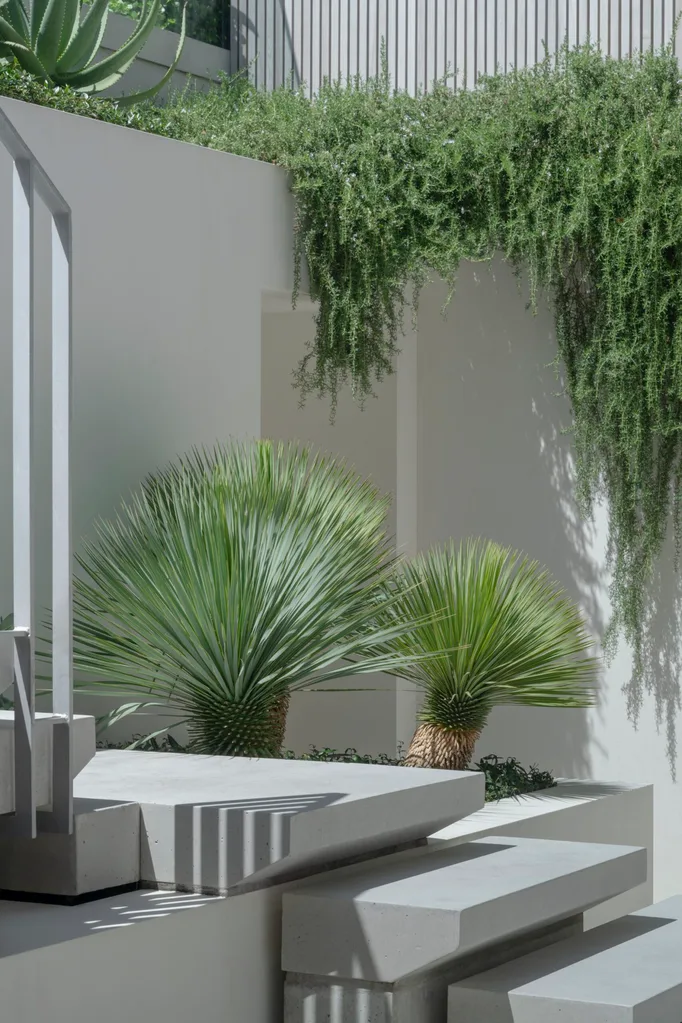
Meanwhile, what was once a courtyard connected to the erstwhile downstairs living is accessed down a set of elegant cantilevered, precast concrete steps. “Like the deck, they give everything a wonderful floating feeling,” says Henry.
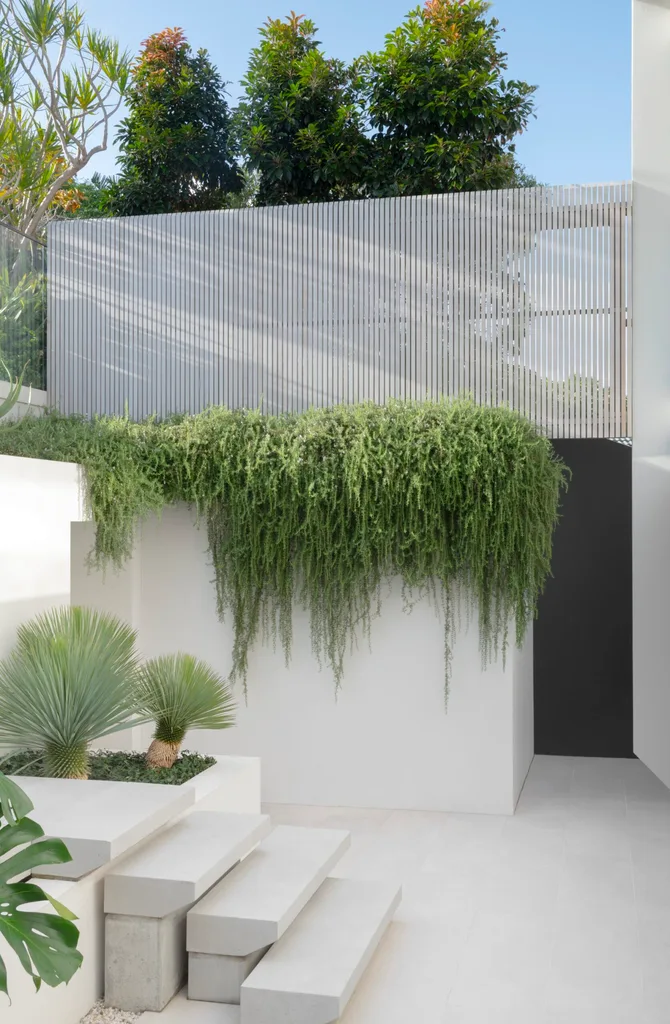
And a second entry from the back lane leads directly into the pool area then beyond to the upstairs living areas in the new layout. Timber batten screens add material warmth and protect the owners from breezes and any prying eyes.
New steel planters supplement the original concrete iterations to compensate for the lack of soil depth, while a drip irrigation system with rain sensors was installed to allow for parsimonious watering in a garden that is rarely thirsty.
For the shallow soils and unrelenting afternoon sun, Henry chose hardy, resilient plants, a mix of natives and exotics, with the emphasis on olive trees at the front, and grasses, cacti and succulents, such as agaves and euphorbias, throughout. Along the northern boundary at the back, he planted fast-growing Henkel’s yellowwood hedging for screening, chosen for its lushness but also its movement.
“We did not want anything rigid… this moves with the breeze for a looser effect,” he says.
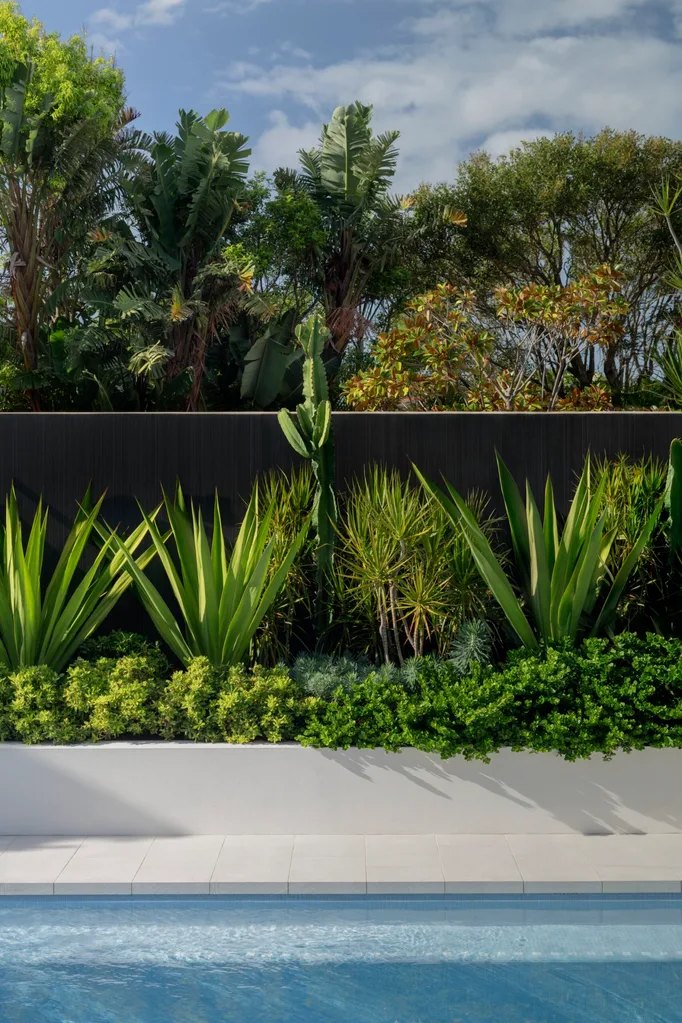
On the opposite side sit low shrubs, such as Desert Star natal plum and dwarf pittosporum, while native Eumundi quandong trees form the lofty backdrop for the entire rear garden. In the lower-level courtyard beside the back of the house, three tough beaked yuccas add texture.
Similarly, on the street frontage, blue agaves “add a punch” while blue flax lily “fluffs out the sides of the concrete steps”. Front and back, trailing rosemary tumbles out of planters, tempering the white rendered surfaces and timber screens.
PLANT LIST
Trees
- Eumundi quandong (Elaeocarpus eumundi)
- Olive tree (Olea spp.)
Shrubs
- Dwarf pittosporum (Pittosporum tobira ‘Miss Muffet’)
- Henkel’s yellowwood (Podocarpus henkelii)
- Mediterranean spurge (Euphorbia wulfenii)
- Natal plum (Carissa ‘Desert Star’)
Succulents and Cacti
- Beaked yucca (Yucca rostrata)
- Cowboy cactus (Euphorbia acrurensis)
- Dragon tree (Dracaena marginata)
- Green giant (Agave salmiana)
- Silver spoons (Kalanchoe hildebrandtii)
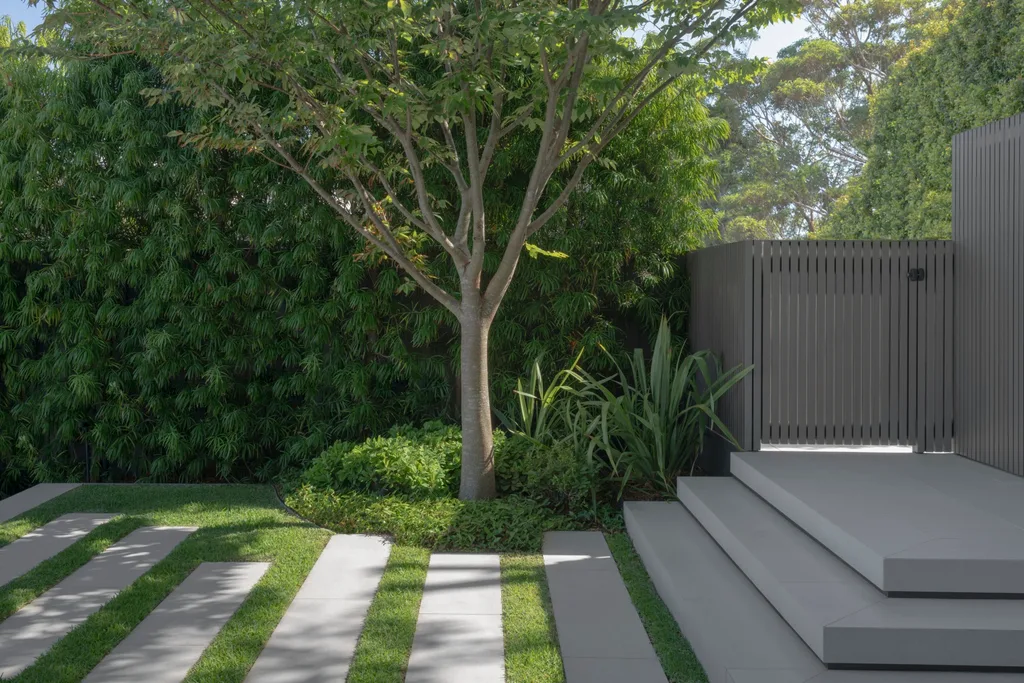
Many of the plants were already mature when craned in and planted, allowing the garden to thrive from day one. What a difference a week made, with the spaces bare on Monday and lush by Friday.
“It was an immediate transformation, a light-bulb moment, with an instant difference in lushness and vibrancy,” says Henry. “That’s why I love this job.”
The Design Team:
Secret Gardens: secretgardens.com.au.
Marston Architects: marstonarchitects.com.au.
Shop the look
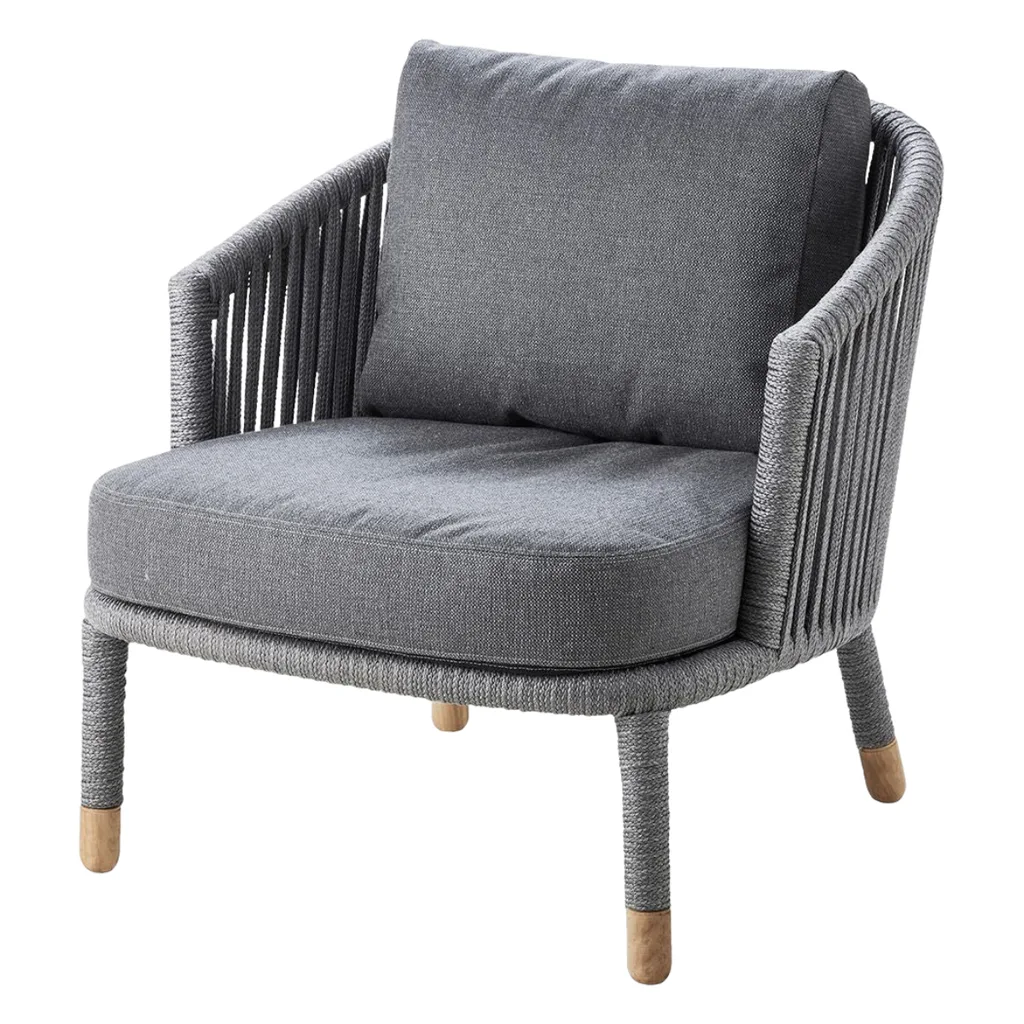
Moments Lounge Chair – Outdoor
Trit House, $4,055
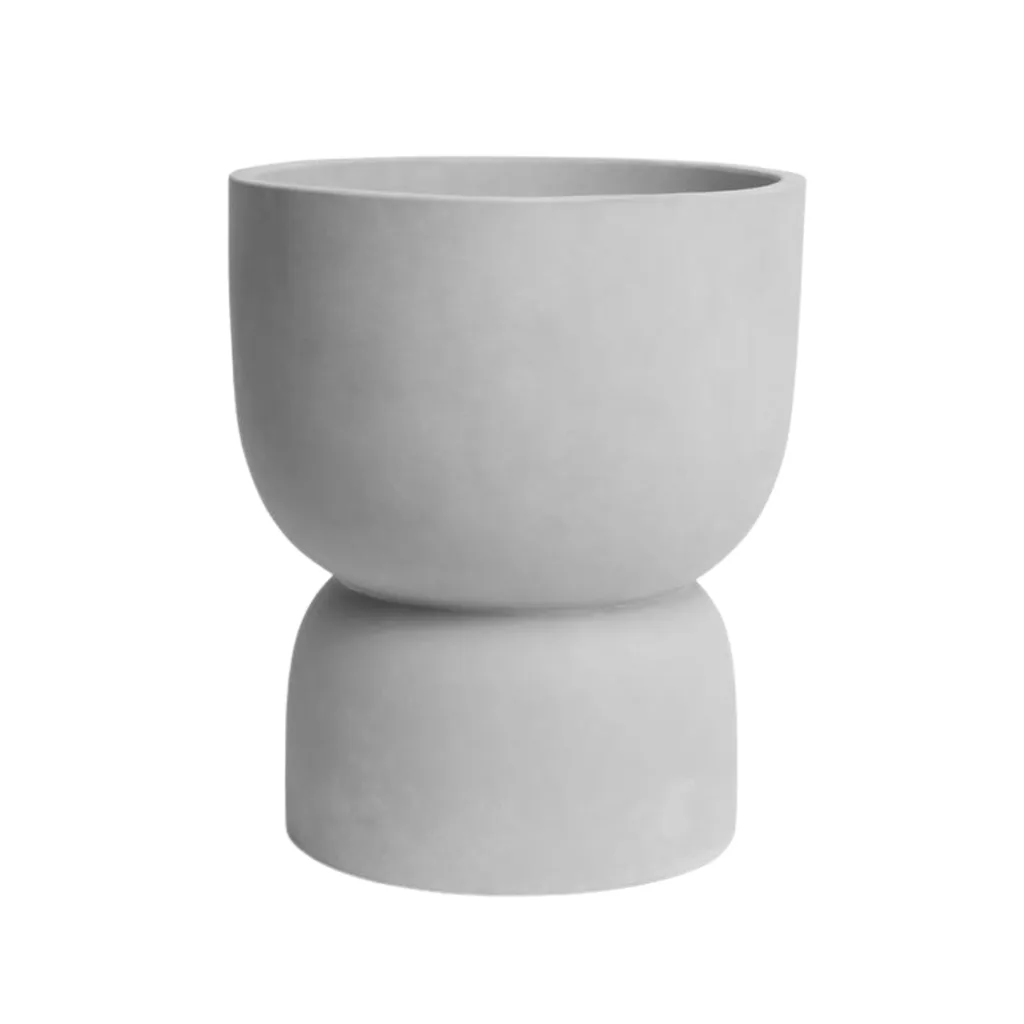
Seguaro Planter
Freedom, $119
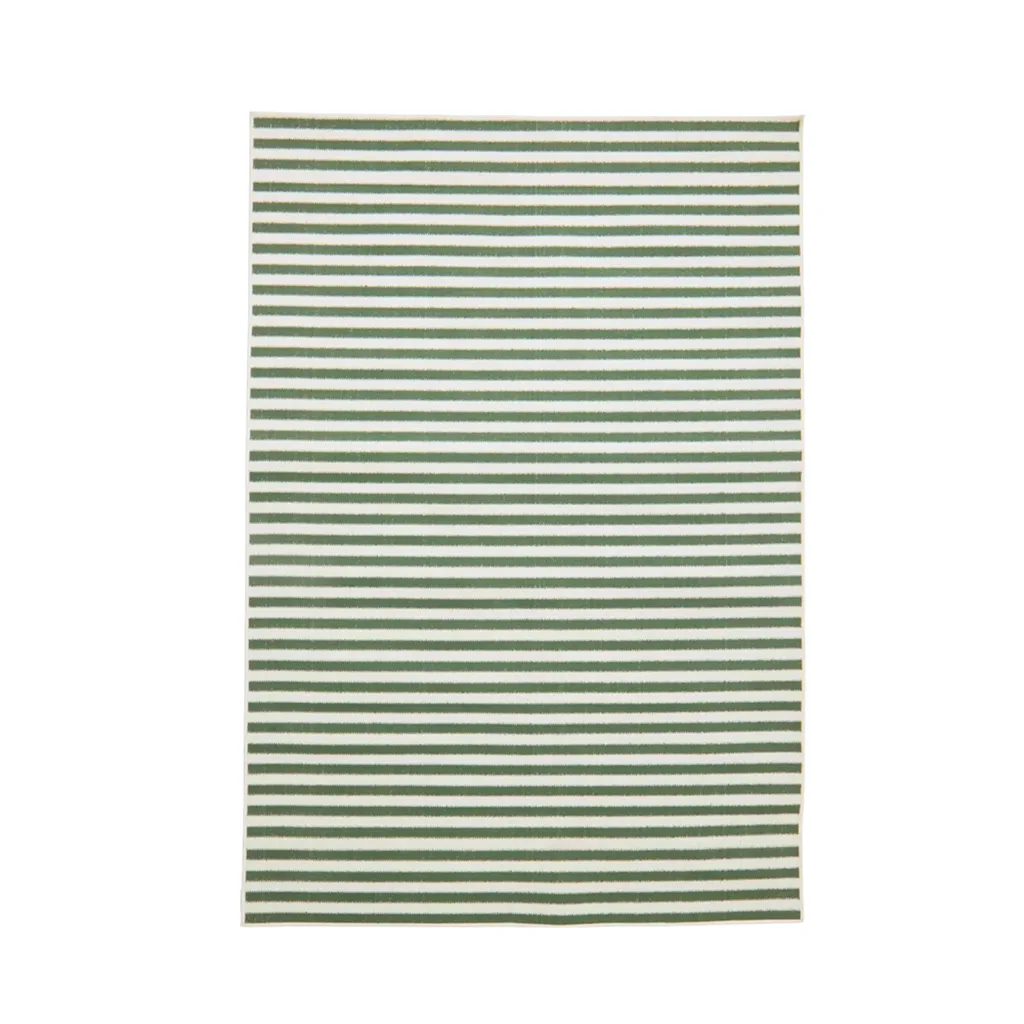
Soho Green & Ivory Stripe Outdoor Rug
Adairs, $179.99
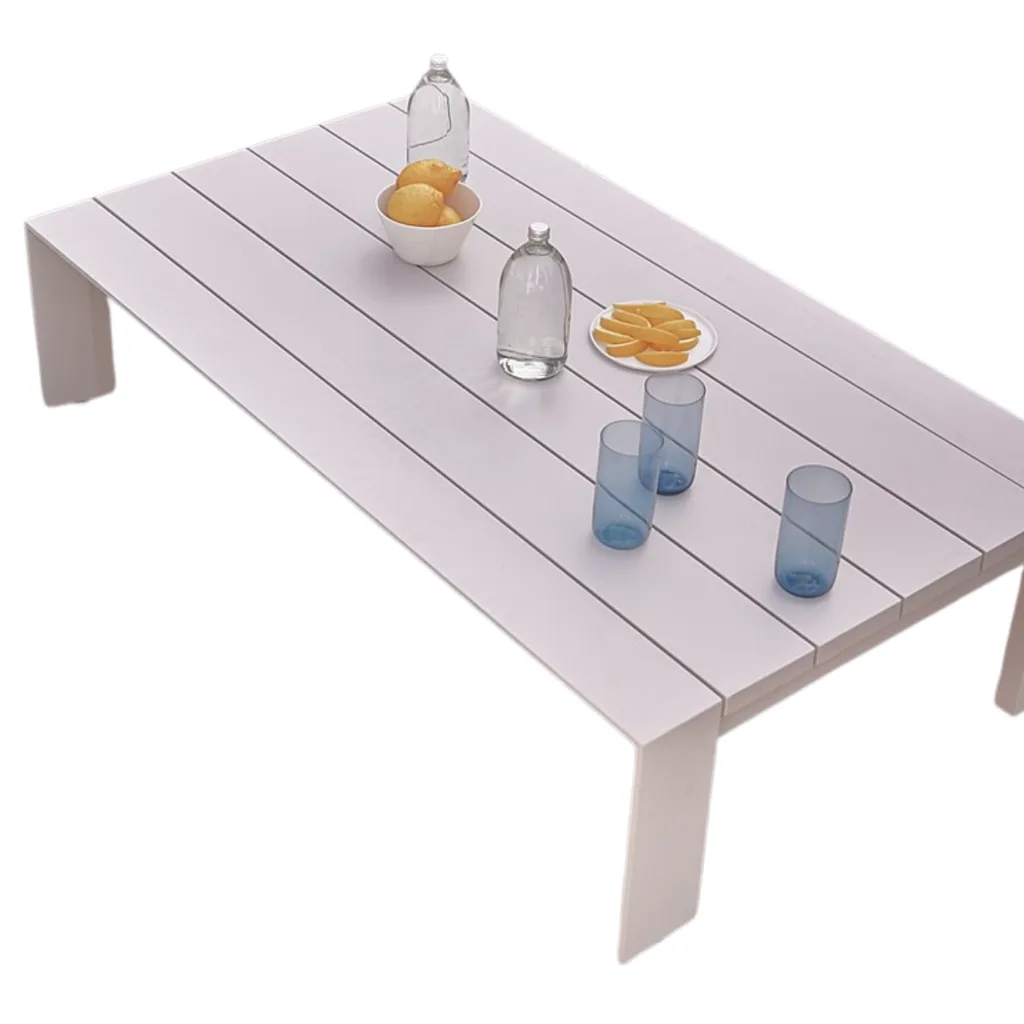
Ataman Coffee Table
Freedom, $999