 Photography: Anson Smart | Styling: Mariana Marcki
When it comes to renovating a heritage home, striking the balance between contemporary design and heritage accents is one of the most effective ways to create the perfect modern abode – without veering into pastiche. So, how exactly can you incorporate period features into a modern home? The key is to pay attention to the details.
Depending on the architectural style of your house and the era in which it was built – whether it’s a classic Federation home or another historic dwelling – you’ll notice the original parts of the home often bear unique and decorative mouldings throughout. By carrying these details into the newer areas of the house, you can create a cohesive design that honours its past. Even in small spaces, these subtle architectural cues can add personality, much like carefully chosen vintage treasures layered into a contemporary interior.
Whether you’re renovating or adding an entirely new extension, retaining period details from the older section and continuing them into the new is an easy way to ensure your home feels cohesive throughout. Just make sure you don’t overdo it – too many historical flourishes can quickly tip the design from charming to mawkish. Here are some of the key ways you can incorporate heritage details into your home.
Consider cornices
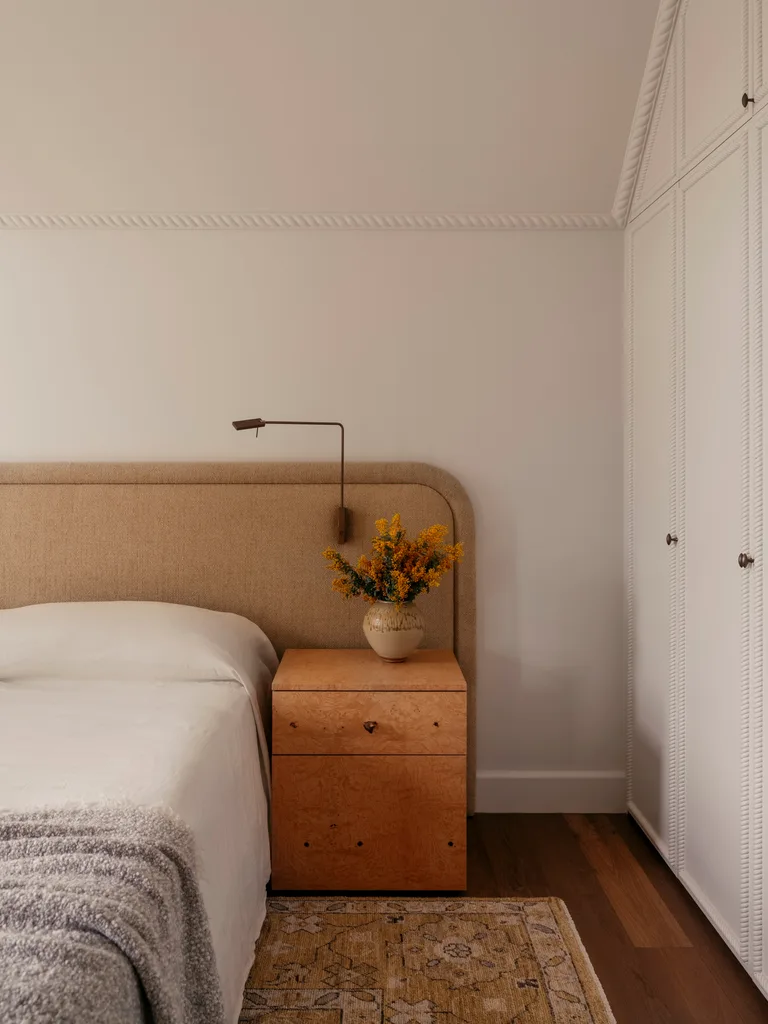
One of the most striking features of any home is the cornicing – the decorative moulding that joins your walls to the ceiling. Your cornicing helps to accentuate the height of your ceiling while also adding a charming detail that draws your eyes upwards. However, the style can dramatically impact the overall aesthetic throughout, as there’s countless variations available on the market.
Evidently, homes built in different eras will boast alternative styles as they changed overtime to reflect the current building trends. So, if possible, you should try and match the style from the original era. Unless, of course, you’re hoping to create a juxtaposition between the old and the new.
Add skirting and architraves
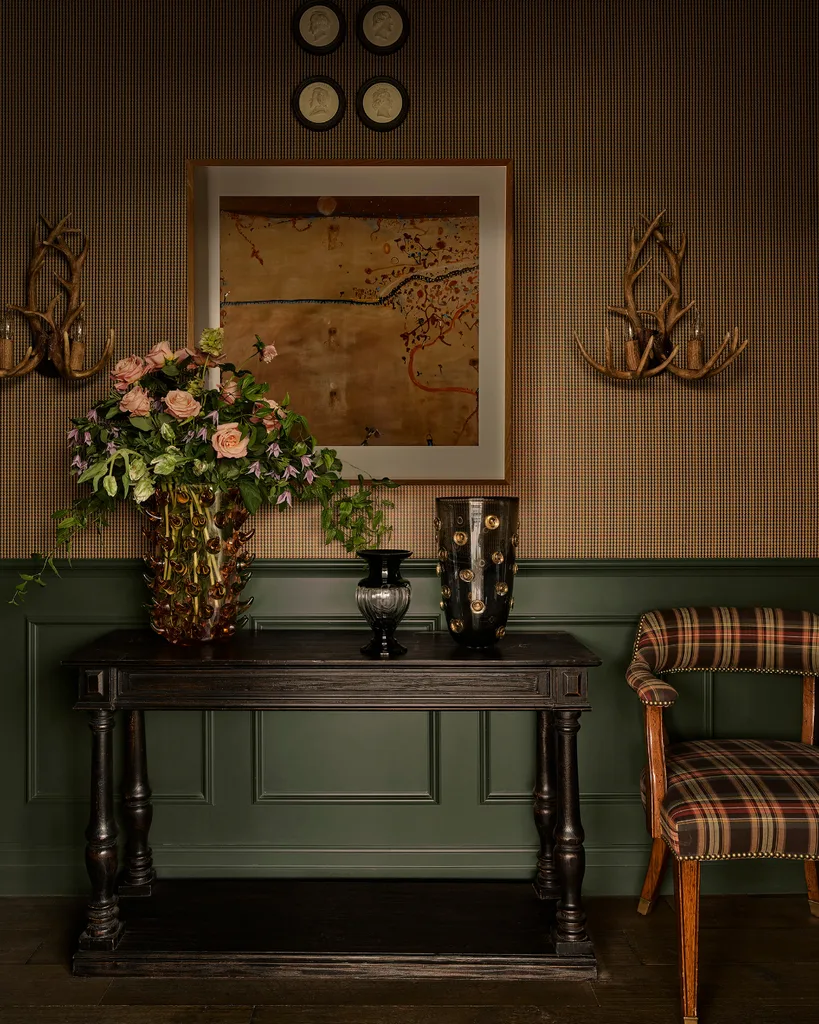
While you’re paying attention to your cornicing, you should turn your eyes to your architraves and skirting boards. Architraves are the decorative mouldings surrounding your door frames, while skirting boards are the ornate trims that connect your walls to the floor. Mutually, these details can dramatically impact the overall feel of a home – and your house doesn’t need to come with them already. You can add these details yourself or hire a professional to create the effect, giving your home the illusion of a more historic presence.
From petite and pared-back styles to larger embellished options, as well as timber skirting designed to match your flooring, the key to choosing the fit is to make sure it complements the style of the rest of your home.
A ceiling rose goes a long way

If you’re feeling ambitious, there’s no greater feature statement than adding a beautiful ceiling rose to a room. Ornate and elaborate, ceiling rose trends changed with the times, offering countless varieties that make it an idyllic way to bring a particular period style into your home.
Historically, a cadre of homes from older eras included handcrafted ceiling roses, created by master craftsmen. While the Victorian era saw the rise of pre-cast, mass-produced roses to make them more accessible, today you can easily purchase these ready-made versions to pay homage to a bygone era – giving your home a touch of personality without needing a bespoke, on-site installation. It’s worth noting that the best way to give your ceiling rose the highlight it deserves is to pair it with a statement pendant light.
Period features are original architectural details that reflect the era in which a home was built. Think decorative cornices, ceiling roses, timber skirting boards, leadlight windows and fireplaces – elements that give older homes their distinctive character. Found in everything from Victorian terraces to a Federation home, these details are often preserved or reinstated during renovations to add personality to modern interiors.