


 Image: courtesy of Getty Images
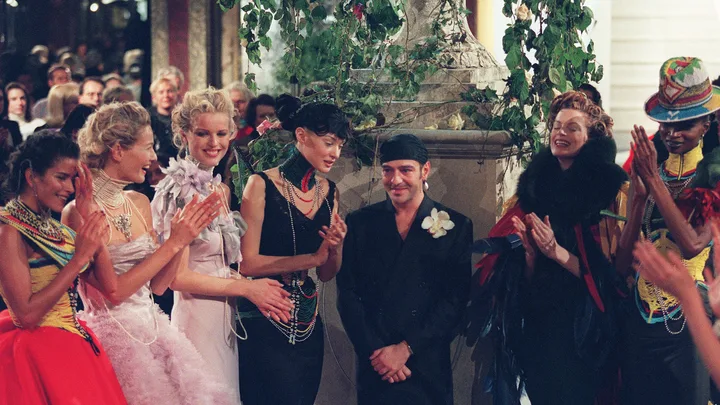
Taking place annually, the Met Gala has firmly positioned itself as the most important fashion event. The ancillary theme dictates dress code and décor and complements the adjoining Costume Institute’s major exhibition at the Metropolitan Museum of Art – anchoring the gala in something more than celebrity pageantry. The upcoming Metropolitan Museum of Art Spring 2027 Costume Institute exhibition takes John Galliano: Horizons as its theme.
This is, in part, due to Galliano’s recent resurgence – marked by renewed critical acclaim and strong market interest in his work – although his work never truly fell from vogue. The exhibition and accompanying gala chart more than 40 years of the designer’s prodigious career. According to Andrew Bolton, the Wendy Yu Curator in Charge of the Costume Institute, the staging explores how Galliano employs dress to shape narrative, character and emotion.
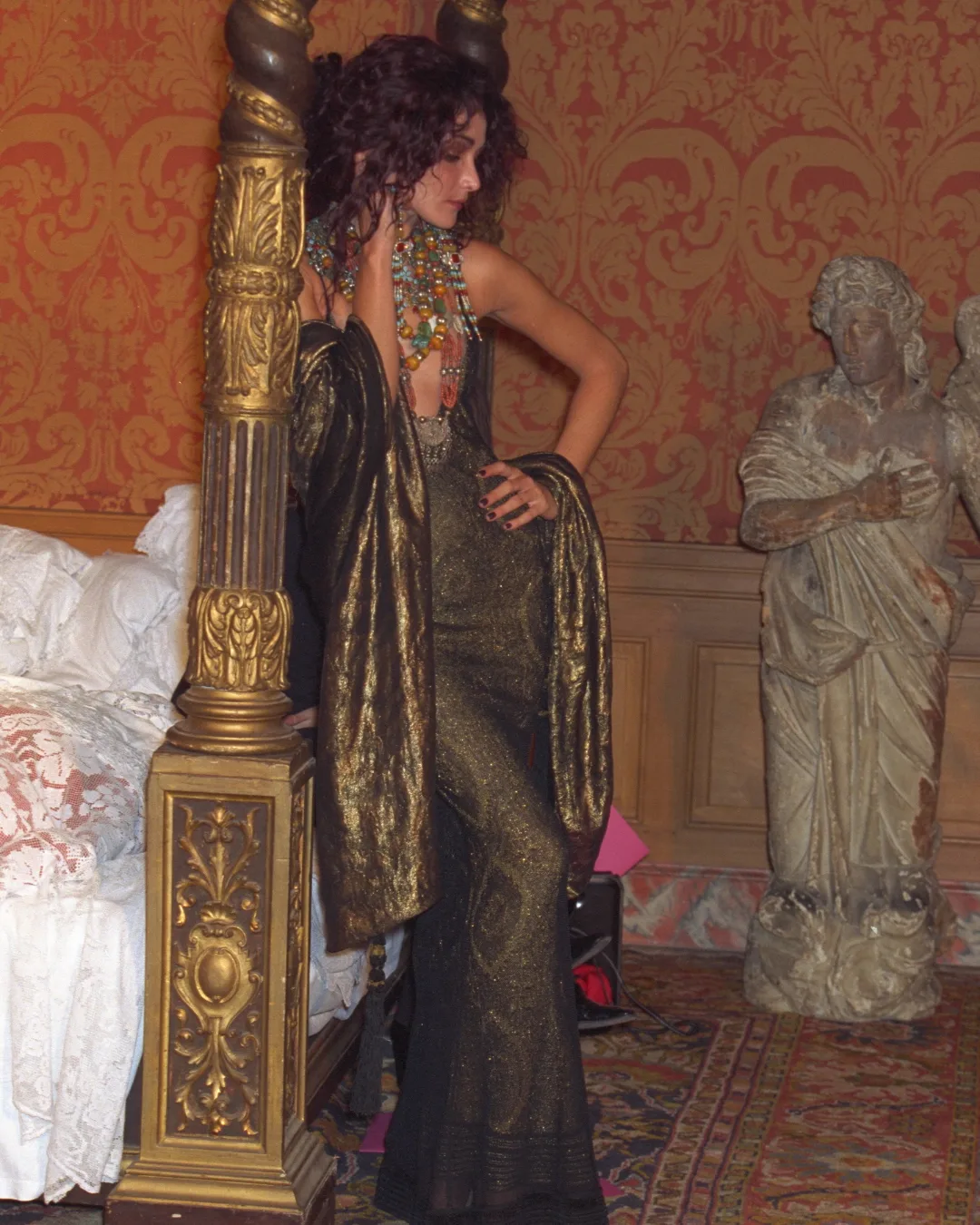
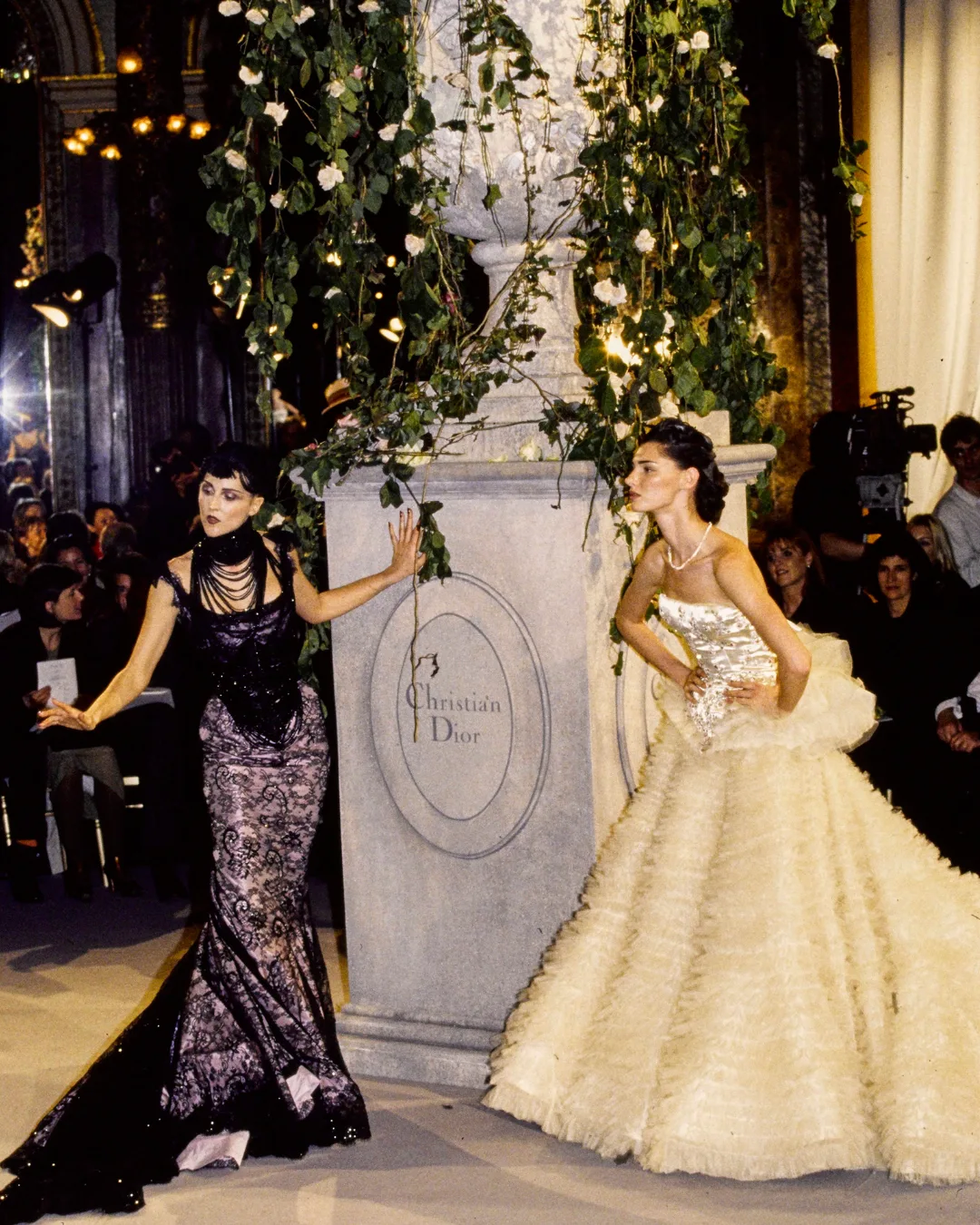
In doing so, Galliano becomes only the third living designer to receive a solo Costume Institute exhibition, joining Yves Saint Laurent (1983) and Rei Kawakubo (2017). Beginning with his 1984 graduate collection, Les Incroyables, the exhibition follows his trajectory through Givenchy, Christian Dior, his eponymous label and Maison Margiela. Alongside attire, memorabilia, photographs, videos and archival material, it explores both the finished collections and the creative process behind them. It also confronts Galliano’s 2011 dismissal from Dior following antisemitic remarks, while considering his subsequent return to fashion.
Following the much-anticipated announcement, we look back at some of the most memorable Met Gala themes in its sartorial history.
A look back at some of the most memorable Met Gala themes
1999 – Rock Style
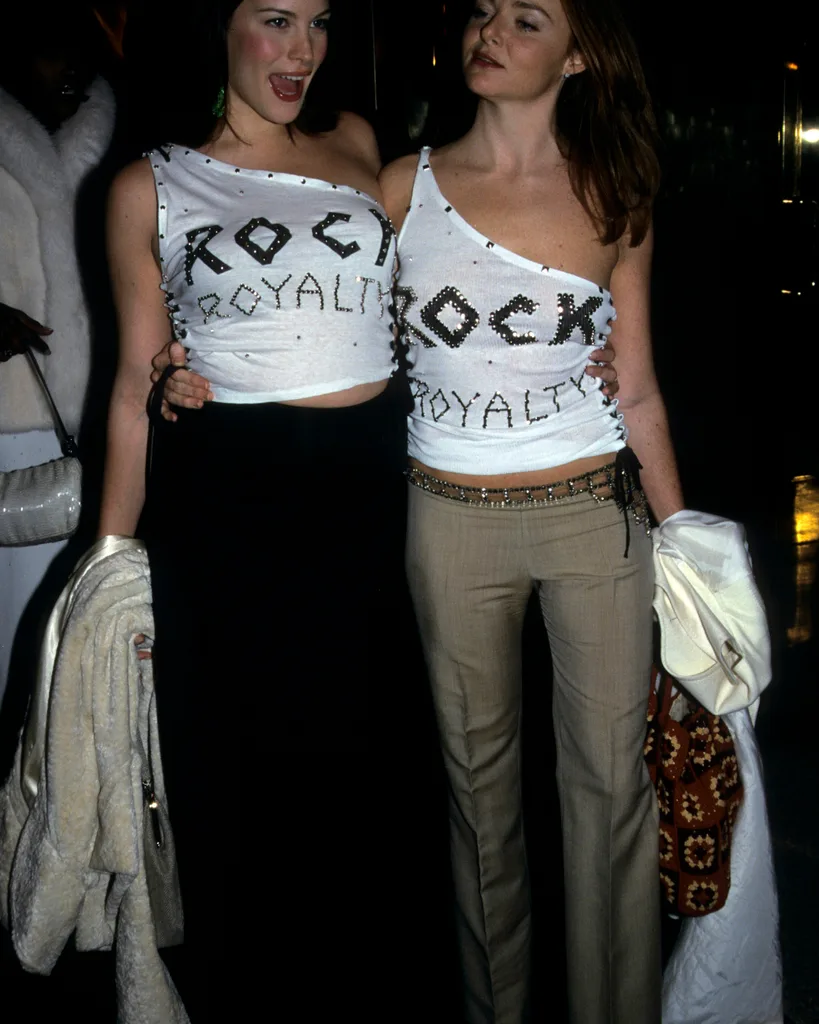
Rock Style was a Costume Institute exhibition created in collaboration with the Rock and Roll Hall of Fame and Museum, on view from late 1999 to early 2000. The exhibition traced the influence of more than 40 rock ’N’ roll performers on fashion from the 1950s onward, presenting memorabilia drawn from institutional archives and the private collections of musicians themselves. Figures such as Elvis Presley, The Beatles, Aretha Franklin, Janis Joplin, Jimi Hendrix, David Bowie, Tina Turner, Elton John, Stevie Nicks, Bruce Springsteen, Grace Jones, Madonna and Björk buoyed the ongoing dialogue between rock music and style.
2004 – Dangerous Liaisons: Fashion and Furniture in the 18th Century
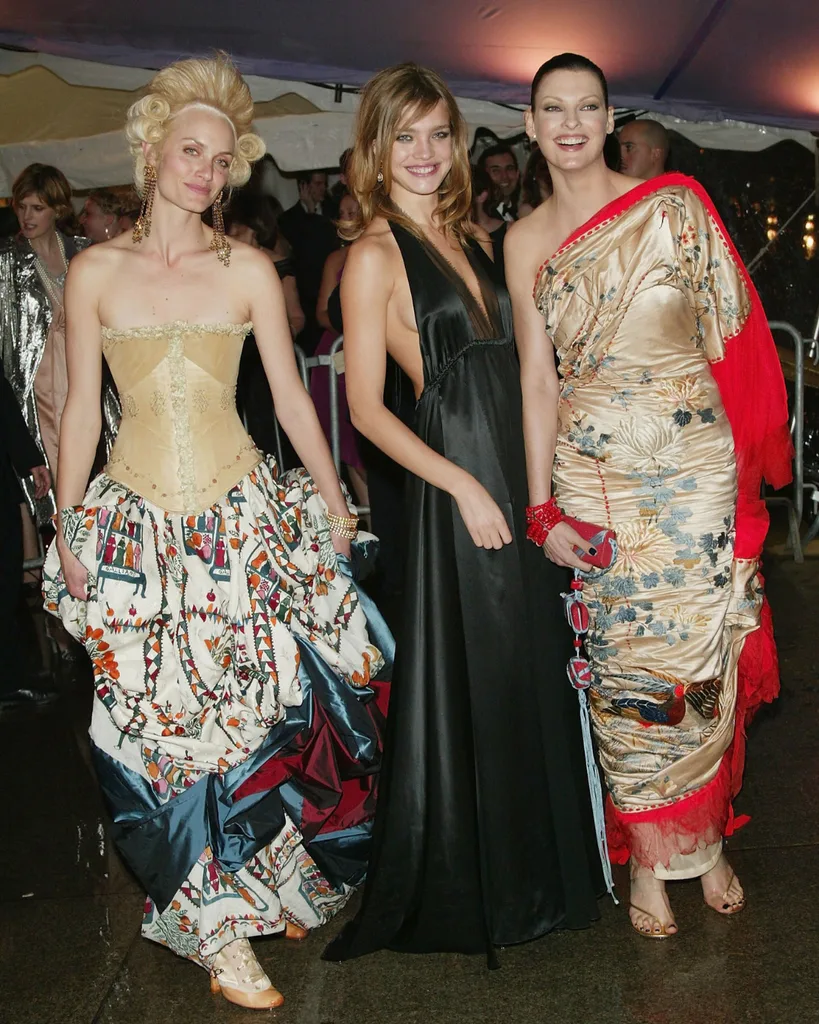
Drawing on the world of Choderlos de Laclos’s Dangerous Liaisons, the 2025 annual gala explored an era in which romantic intrigue – seduction, manipulation, strategic affairs – shaped the patterns of elite society. The accompanying exhibit traced how instruction, seduction and social manoeuvring defined the period, following characters such as Cécile and Valmon as they navigated a courtly landscape where intimacy functioned as currency and competition.
2006 – Anglomania: Tradition and Transgression in British Fashion
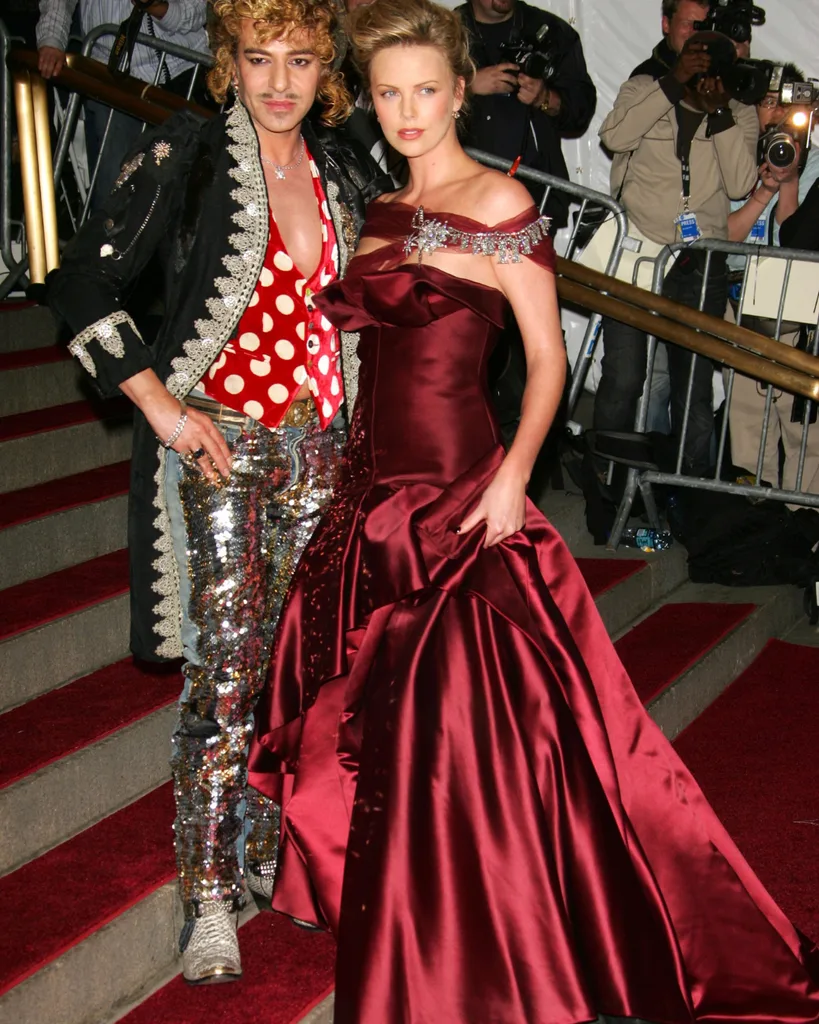
The 2006 concept aligned with AngloMania – an exhibit that traced the rise of Anglomania in Europe during the eighteenth century. The theme examined how English culture – from the class system and pageantry to sport, eccentricity, the country garden and the figure of the gentleman – shaped European and American imagination. Drawing on references from Samuel Richardson’s novels to the paintings of George Stubbs and William Hogarth, the exhibition explored how “Englishness” emerged as a construct fashioned through external fascination and the narratives the English cultivated themselves.
2008 – Superheroes: Fashion and Fantasy
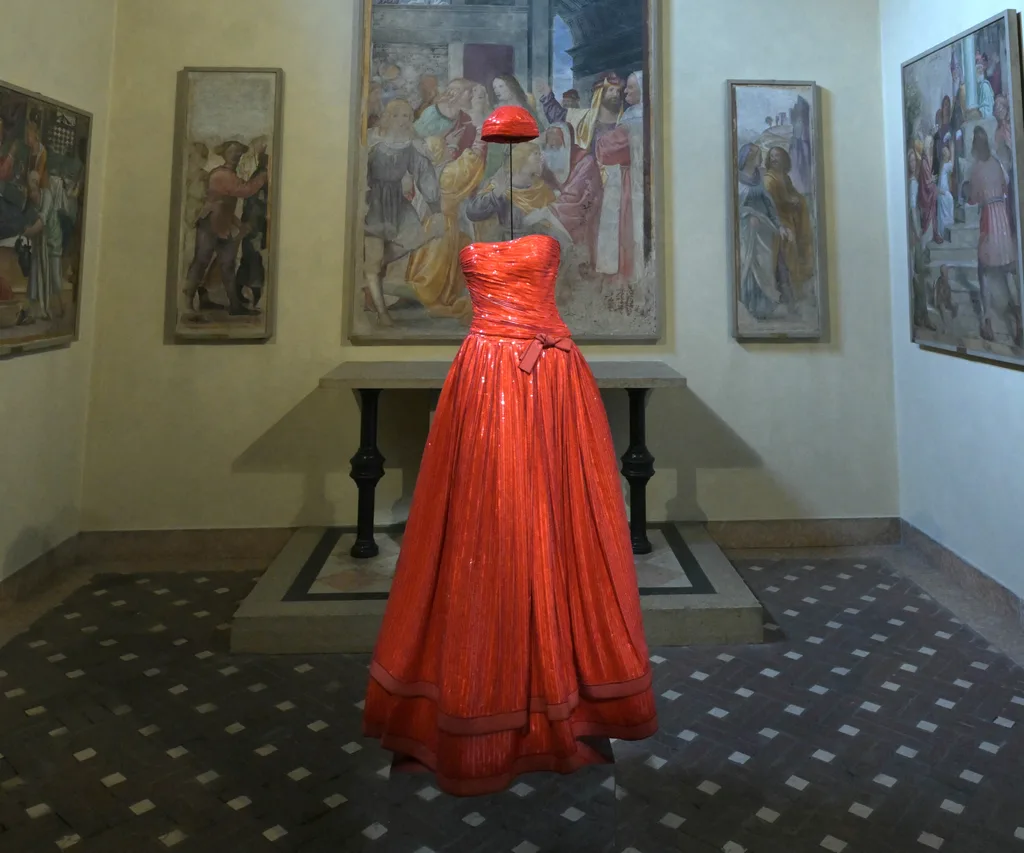
The 2008 Met Gala turned its attention to the influence of the superhero, tracing how both costume and superhuman attributes – speed, strength and agility – filtered into streetwear and high fashion. With the ancillary exhibit examining the ways pop-cultural archetypes can influence silhouettes, materials and the broader visual of contemporary style. Additionally, taking a closer look at how radical couture, avant-garde sportswear and state-of-the-art military garments – as seen through the lens of the superhero – can be metaphors for sex, power and politics.
2016 – Manus x Machina: Fashion in an Age of Technology
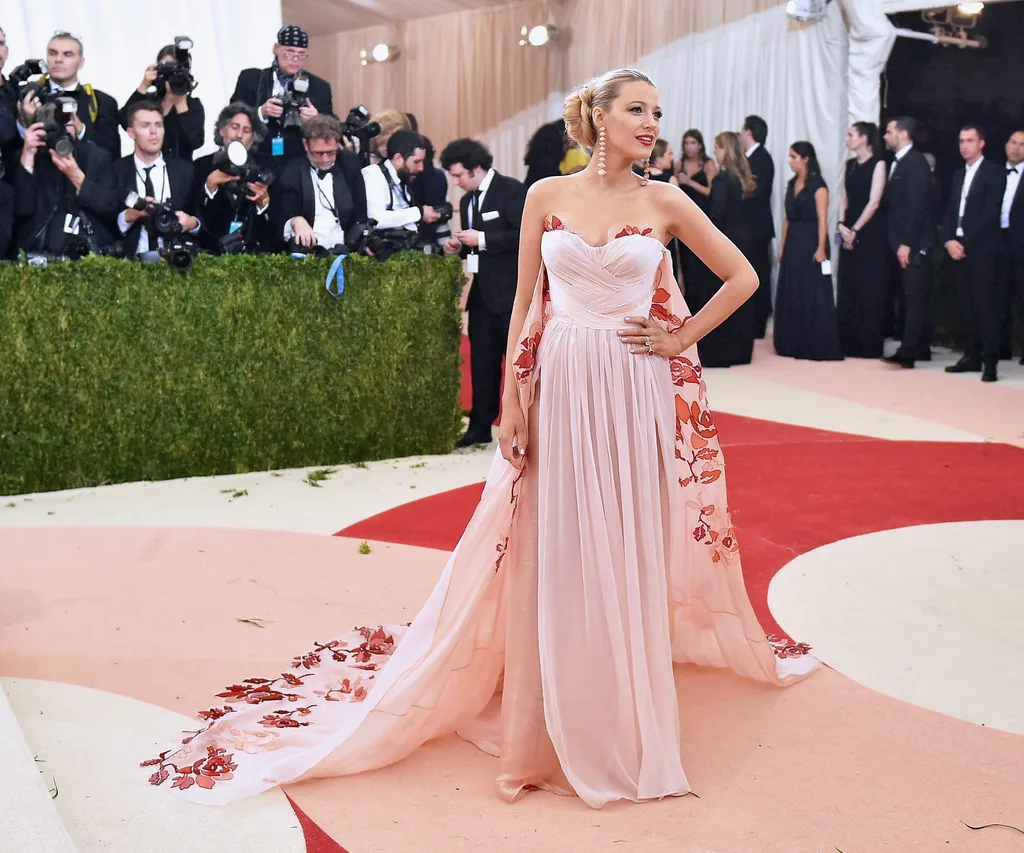

Manus x Machina: Fashion in an Age of Technology was the 2016 concept that saw the evolving relationship between handmade craft and machine-led production. The accompanying Costume Institute exhibition showcased more than 100 pieces of haute couture and ready-to-wear, tracing how technology reshapes fashion’s traditional boundaries. On the red carpet, Claire Danes appeared in a gown illuminated by integrated lighting, while Emma Watson wore a five-piece Calvin Klein Collection look crafted from recycled plastic bottles.
2018 – Heavenly Bodies: Fashion and the Catholic Imagination

The 2018 Met Gala theme, Heavenly Bodies: Fashion and the Catholic Imagination, unfolded as one of the most ambitious Costume Institute exhibitions, bringing together hundreds of religious objects, including dozens of rarely seen artifacts loaned directly from the Vatican. On the red carpet, guests embraced the night’s ecclesiastical brief with theatrical precision, marking the year as one of the gala’s most visually arresting interpretations.
2021 – About Time: Fashion and Duration
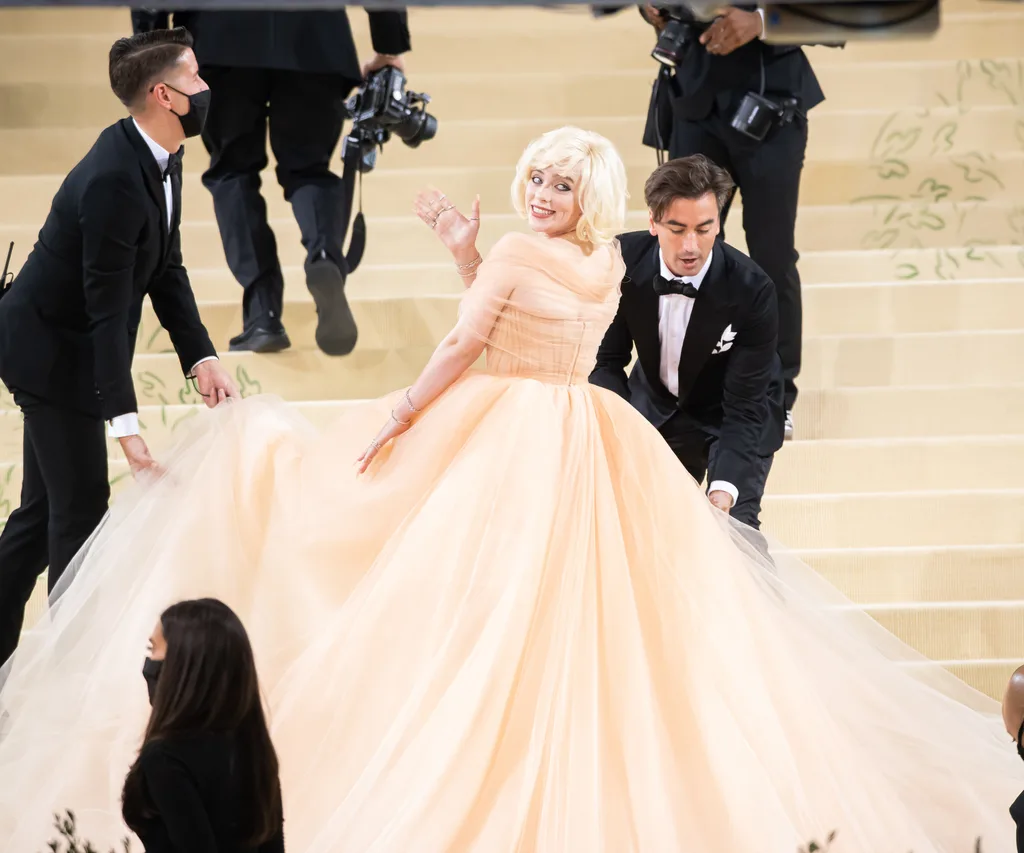
Inspired by the red, white and blue silk sash from Prabal Gurung’s 10th-anniversary collection, the 2021 Met Gala theme titled In America: A Lexicon of Fashion focused on contemporary American design. The accompanying exhibit coalesced more than 100 works from designers spanning Marc Jacobs to La Réunion, forming a survey of modern American craftmanship. The evening’s interpretation of the official dress code, American Independence, grounded the night within the broader conversation surrounding American fashion identity.
2025 – Superheroes: Fashion and Fantasy
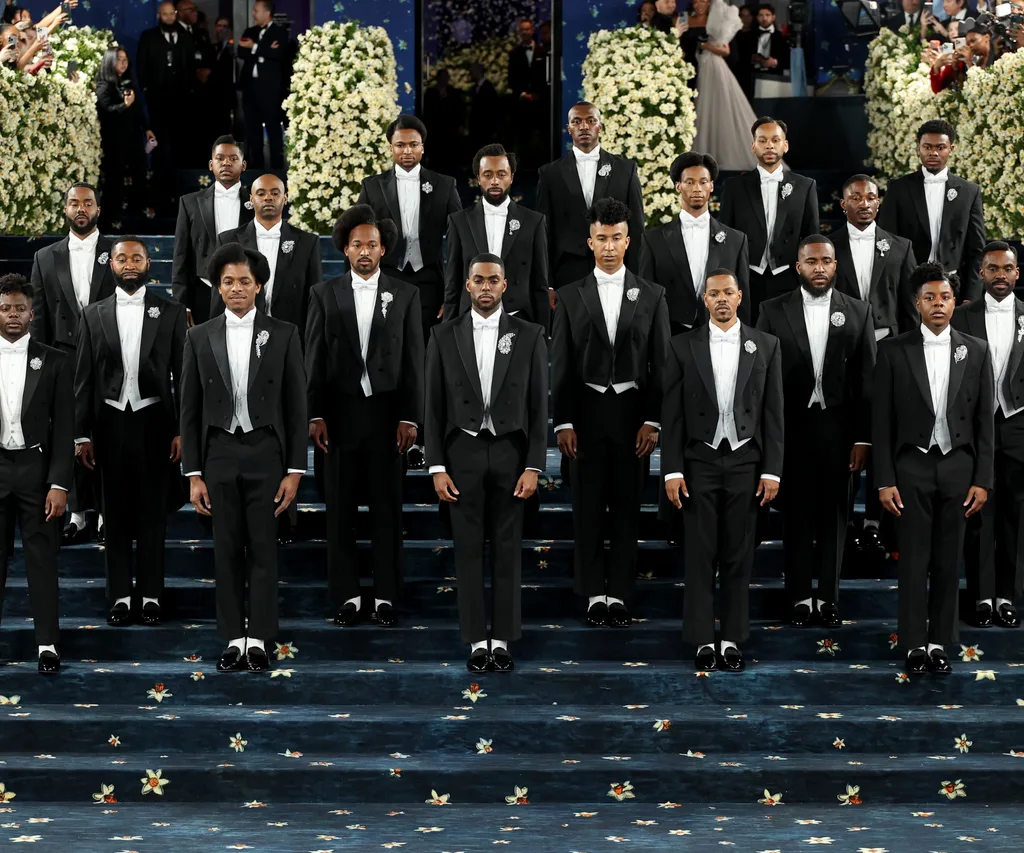
The Met Gala theme for 2025 centred on the Costume Institute’s spring exhibition Superfine: Tailoring Black Style, organised by head curator Andrew Bolton with guest curator Monica Miller, proffer of Africana Studies at Barnard College and Columbia University. Miller, whose 2009 tome Salves to Fashion examined Black dandyism and diasporic identity, helped shape an exhibition that pays homage to the late André Leon Talley. Guests catalysed he theme in looks that dissected the finer points of tailoring – a fitting gesture for a Costume Institute exhibition notable as the first since 2003 to focus exclusively on menswear.
2026 – Costume Art
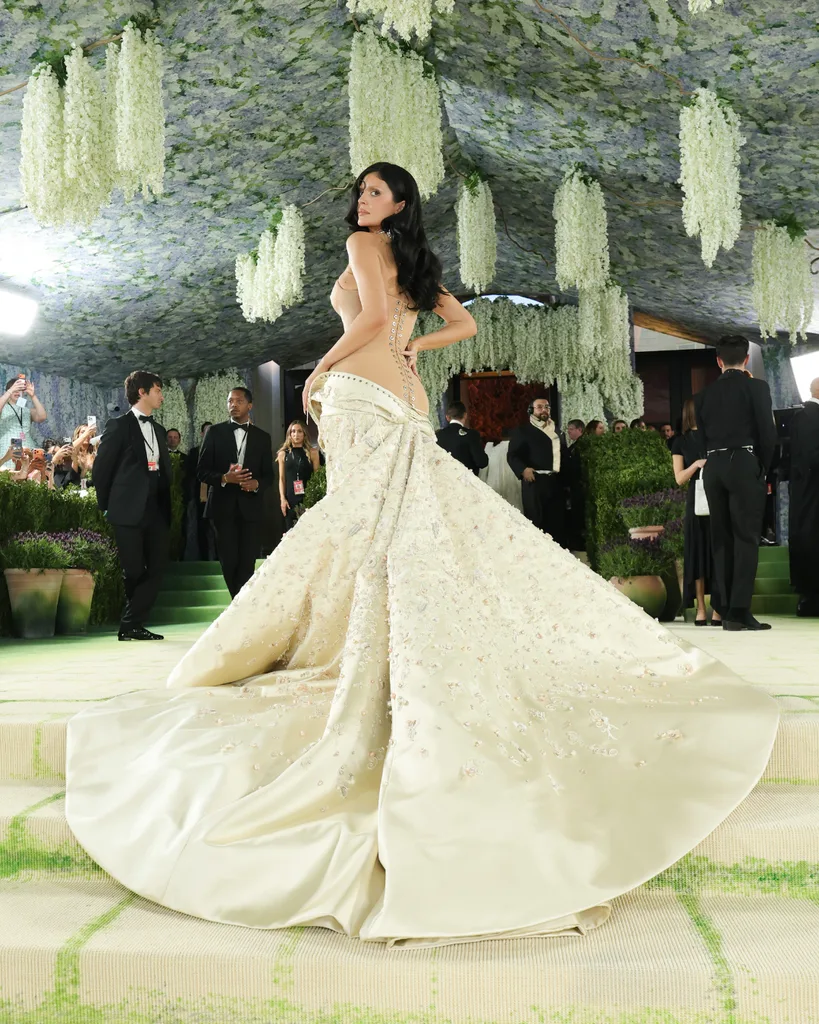
This year, the theme is “Costume Art” – an extension of the spring exhibition of the same name, spanning the nearly 12,000-square-foot Condé M. Nast Galleries, focuses on fashion as art. The gala itself has magicked the Met into a backdrop for the procession of gowns, like a scene from a Van Gogh canvas. In actuality, the carpet draws inspiration from Northern Italian Renaissance gardens. As per usual, the illustrious event steps away from the traditional red carpet, instead adopting a garden path that appears to have patinated with time, complemented by lacquered, hand-painted surfaces, mossy зелёns, romantic florals overhead (namely wisteria) and an earthy palette – which echoes works like Irises and leans into an impressionistic finish. Fittingly, the intent was to stage a carpet that felt like an immersive artwork, with cinematic director – and Global Editorial Director of Vogue Anna Wintour’s best friend – Baz Luhrmann involved in the mise-en-scène.
2024 – Sleeping Beauties: Reawakening Fashion
2023 – Karl Lagerfeld: A Line of Beauty
2022 – In America: An Anthology of Fashion
2020 – About Time: Fashion and Duration
2019 – Camp: Notes on Fashion
2017 – Rei Kawakubo/Comme des Garçons: Art of the In-Between
2015 – China: Through the Looking Glass
2014 – Charles James: Beyond Fashion
2013 – Punk: Chaos to Couture
2012 – Schiaparelli and Prada: Impossible Conversations
2011 – Alexander McQueen: Untamed Beauty
2010 – American Woman: Fashioning a National Identity
2009 – The Model as Muse: Embodying Fashion
2007 – Poiret: King of Fashion
2005 – The House of Chanel
2003 – Goddess: The Classical Mode
2002: No theme
2001 – Jacqueline Kennedy: The White House Years
2000: No theme
1998 – Cubism and Fashion
1997 – Gianni Versace
1996 – Christian Dior
1995 – Haute Couture
What is the 2026 Met Gala theme?
The Met Gala 2026 theme is Costume Art, which aligns with the Costume Institute’s exhibition of the same name. The theme examines fashion as a form of art, highlighting the relationship between clothing, the body and cultural expression.
Does Met Gala have a theme every year?
Yes. The Met Gala has a yearly theme that determines the event’s dress code and décor, and aligns with the accompanying exhibition at the Metropolitan Museum of Art. Each year’s concept reflects the Costume Institute’s major exhibition, providing a cohesive framework for the gala.
What is the purpose of Met Gala?
The Met Gala is held each year to raise funds for the Metropolitan Museum of Art’s Costume Institute, the museum’s only self-funded department. It also serves to open the institute’s annual fashion exhibition.

