


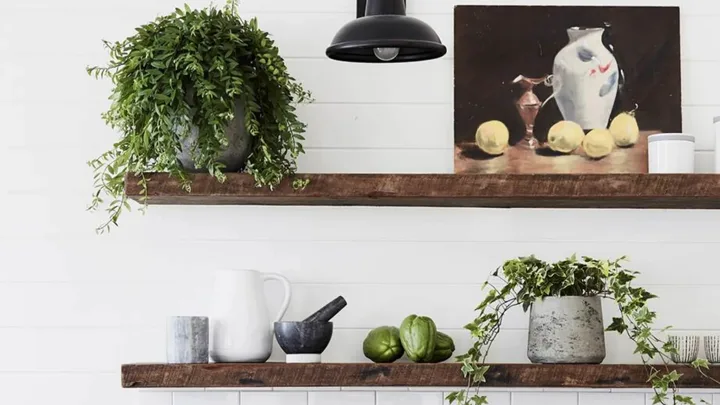
If you struggle to keep your house plants alive even while you’re at home going on holidays, without a care plan in place, is a disaster waiting to happen.
If you want to come home to happy and healthy indoor plants, here are a few tips and tricks to keep them thriving while you’re away.
However, if you’re planning on going away for an extended period of time i.e. longer than a week, we suggest you phone a friend.
The best tips to keep your house plants alive when you’re away
Lighten the load
Before leaving, prune off any dead, dying or unsightly foliage and also remove any flowers or buds, which usually require more frequent watering to maintain their condition.
Don’t feed them
If you occasionally use fertiliser on your indoor plants, hold off in the weeks prior to your departure and wait until you return. It increases the rate of plant growth, but you’ll want your plants to grow as slowly as possible while you’re gone as this helps them conserve energy and water.
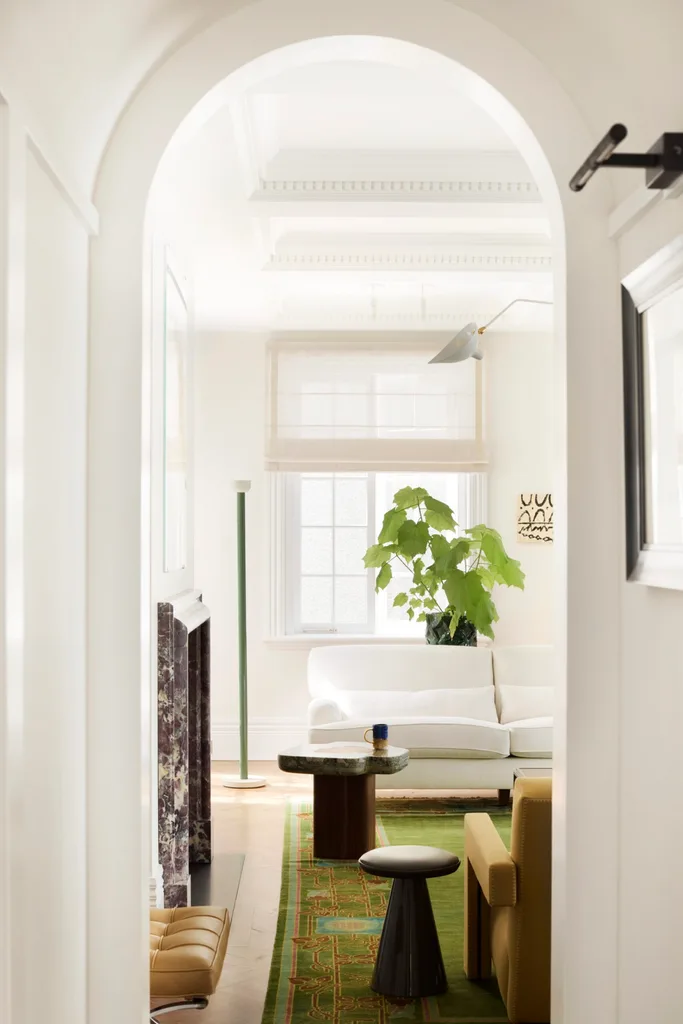
Water well
If you’ll be away for a week or less, giving your plants a good soil-soak should be sufficient. While you should not regularly overwater plants, this is an exception to the rule. Let any excess water drain so your potted plant isn’t sitting in a saucer of water, which can attract pests or lead to root rot.
Create a living environment
Water your plant thoroughly, then cover it with a clear plastic bag to just below the lip of the planter. This will create a makeshift greenhouse and keep the moisture inside. Make sure to cut a couple of holes in the plastic to allow for ample air circulation – plants need to breathe, too! Use chopsticks or kebab skewers to hold the bag up and away from the foliage.
Reduce water requirements
Re-pot a plant and mix water crystals into the soil. Soak the water crystals in water to expand them before adding them to the soil, otherwise they may push the soil up over the rim of the planter. Water crystals will help the soil stay moist for up to twice as long. They’re available from any major hardware store or garden centre.
Reduce light
Move plants away from windows so they won’t photosynthesise as quickly and will require less moisture. We’re not suggesting you move them to a dark corner, but just shifting them a few metres back from a window can significantly reduce their light intake. When you get home, return them to their usual spot.
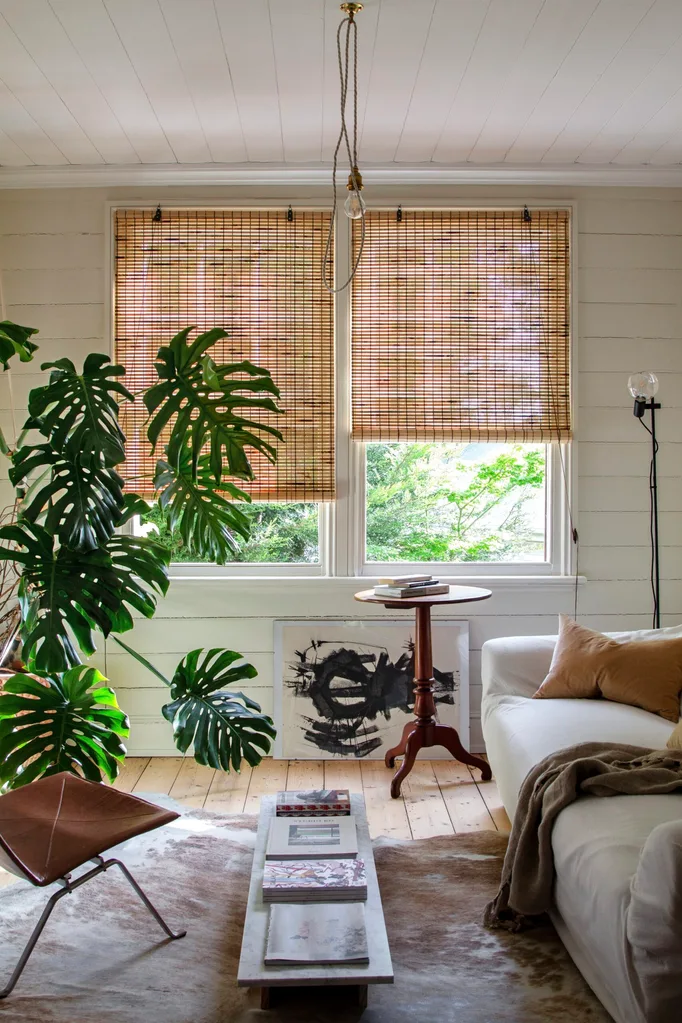
(Photography/Styling: Jessica Bellef)
Phone a friend
If you’re going to be away for an extended period of time and have a friend who’s willing to water your house plants for you, take up the offer. Leave your friend with clear plant care instructions, or walk them through your watering schedule a week or two beforehand.
Help with humidity
Place humidity-loving plants like ferns and air plants in a bathroom (provided there is a window that receives some natural light) or another small room and group them together. The smaller the room, the easier it is for your plants to maintain humidity and moisture. A bath or shower with the curtain or door closed is perfect.
.jpg?resize=380%2C285&format=auto)
.png?resize=380%2C285&format=auto)
Indoor plants rely on light conditions suited to their needs, which are typically listed on the plant’s tag. Most varieties fall into one of four categories: direct sun, bright indirect light, light shade, or full shade. When the light level is inadequate, common indicators include yellowing and dropping lower leaves, slow or stunted growth, variegated foliage reverting to green, and new shoots stretching toward the light. Excessive light presents differently, often causing leaf scorch, midday wilting, or dry leaves that eventually fall. Ensuring the plant’s placement aligns with its specified light requirement is essential for healthy growth.
Most indoor plants come from tropical or subtropical climates and grow best in temperatures between 15°C and 25°C, which aligns with conditions in most homes. Issues can arise if plants are placed too close to heat-emitting appliances such as fridges or heaters, as excess warmth can stress them. As long as your home stays within the recommended range and plants are kept away from direct heat sources, temperature is unlikely to pose a problem.

