 Photography: Georgina Egan
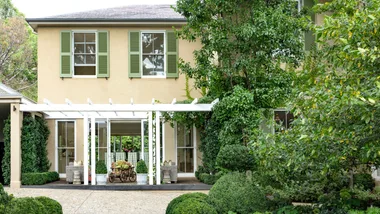
September is a peculiar in-between moment in the garden. Winter has done its work and stripped things back, revealed the structure, exposed the gaps and spring is just beginning to paper over the cracks. For a few weeks, before blossoms and new growth take hold, there’s a rare clarity about what’s actually there. It’s the best possible time to assess the objects in your garden: the pots, the planters, the sculpture, the pieces that remain when everything else has died back.
If something looked wrong all winter – too small, too plain, out of scale, out of place – spring won’t fix it. If anything, it will hide the problem for another season and you’ll be back here next September thinking the same thing. The time to act is now.
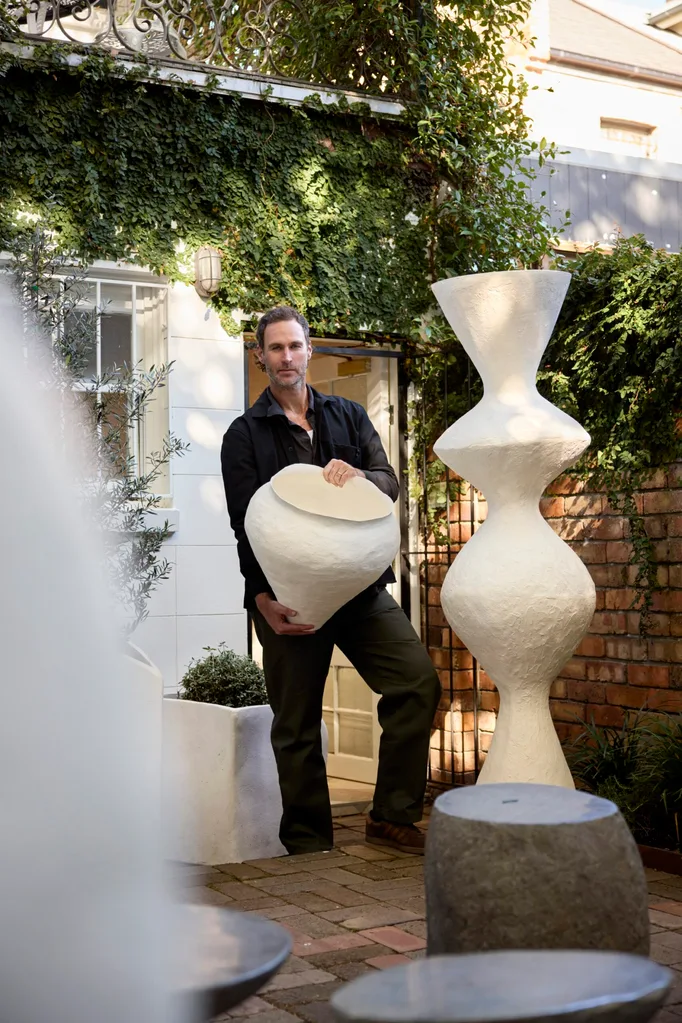
Pots and planters are the most obvious starting point, and also the most frequently underestimated. The temptation is to treat them as purely functional; vessels for soil and roots rather than as design objects in their own right. But a well-chosen pot does the work of sculpture, and what winter reveals is whether yours are actually doing that. Look for pieces with genuine presence: hand-thrown stoneware with an uneven glaze, raw concrete with visible aggregate, ceramic forms with cinched waists or soft curves that read as considered rather than mass-produced.
A pot worth keeping looks good empty. If yours only come alive when something is flowering in them, that’s useful information.
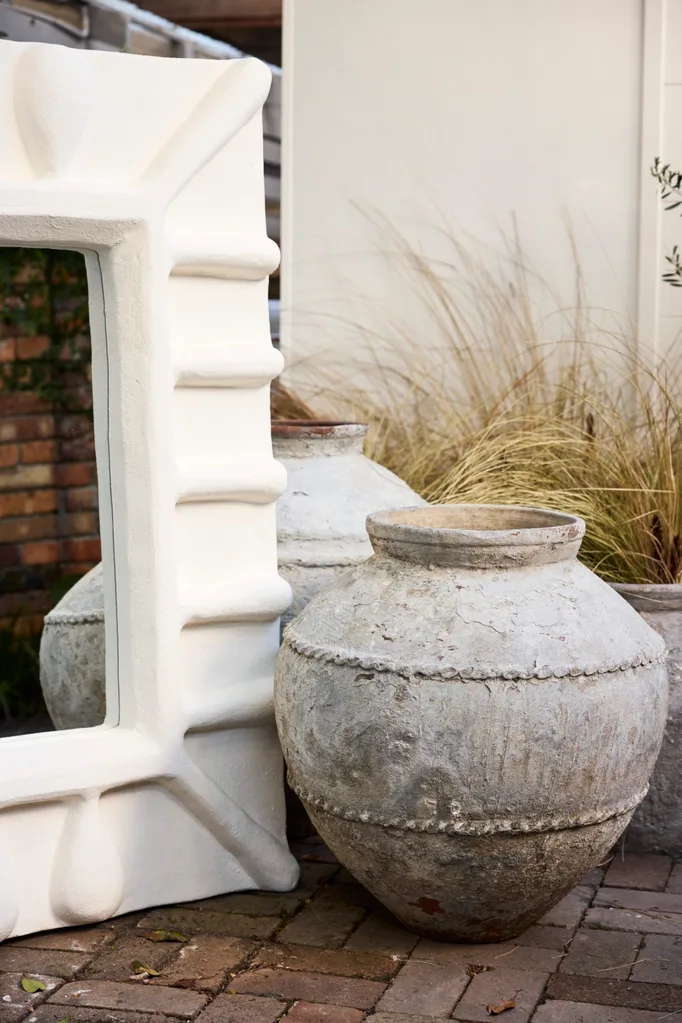
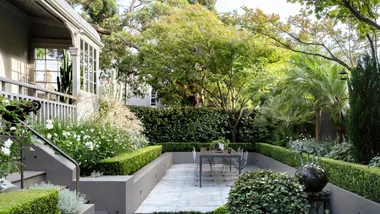
Custom planters occupy a different space, somewhere between furniture and architecture. A bespoke raised planter in powdercoated aluminium or weathered steel can define the edge of a terrace, frame a view or anchor a courtyard in a way that no off-the-shelf option manages. The best of them are designed for a specific space rather than adapted to it, and that specificity shows.
If your garden has an unusual dimension, an awkward corner or a material palette you’re trying to honour, a custom piece is often the most resolved solution and frequently less expensive than assumed.
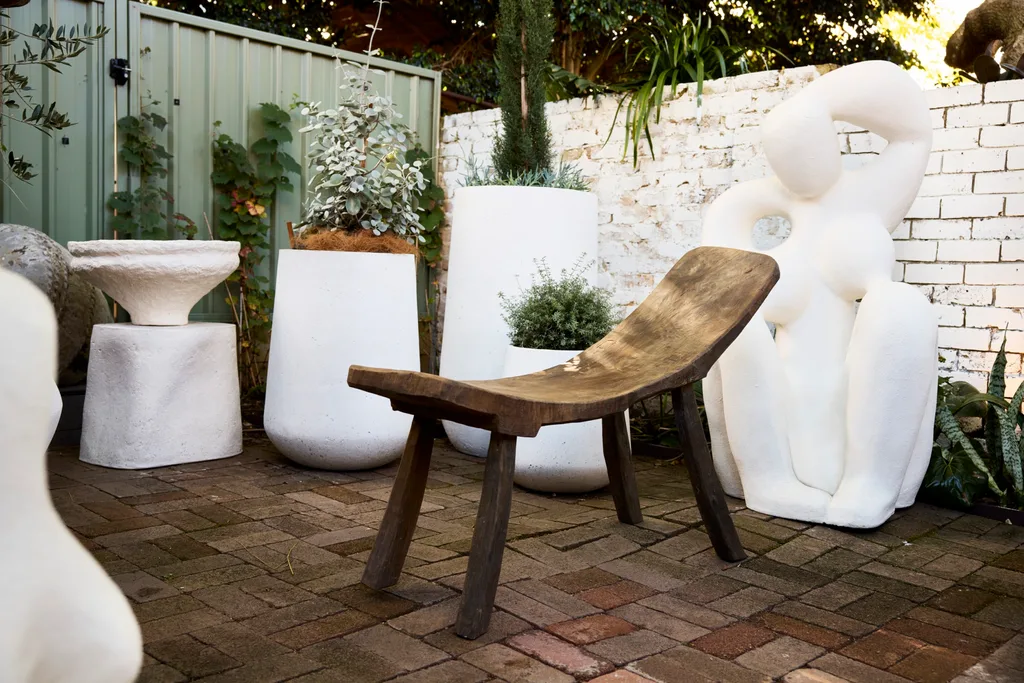
Sculpture remains the most underused element in residential gardens, which is partly a confidence problem. It can feel like a statement too far. But a single well-chosen object, placed with intention, brings a quality to a garden that planting alone can’t achieve. It doesn’t need to be large or expensive.
A stacked stone form on an entry path, a small cast piece on a plinth, an abstract ceramic tucked into a planting bed – the effect is the same: a sense that the garden has been thought about rather than simply filled.
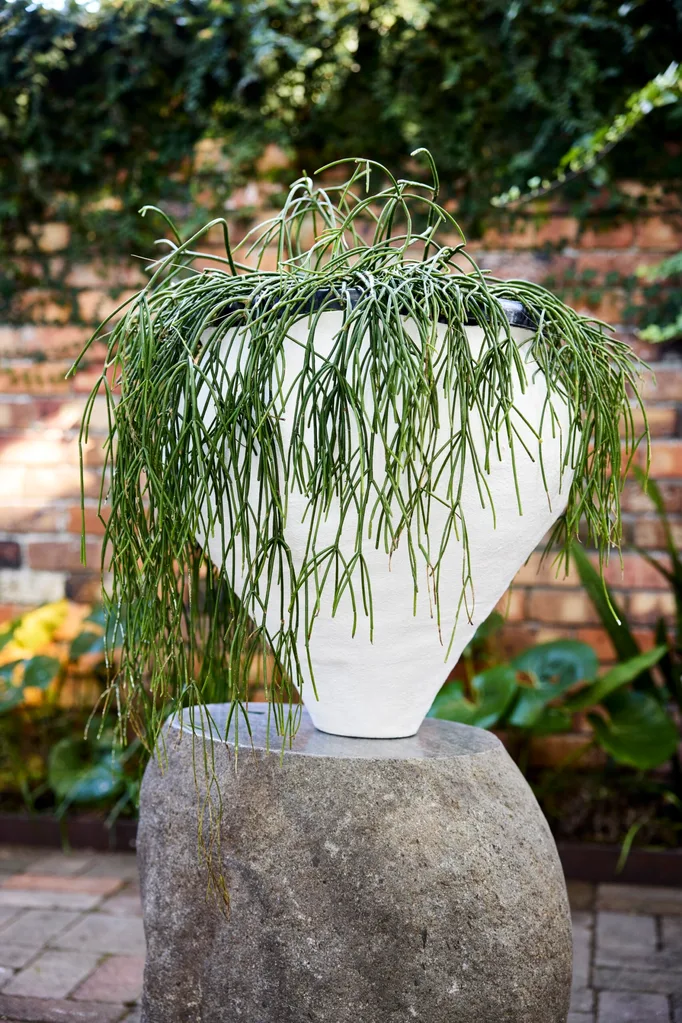
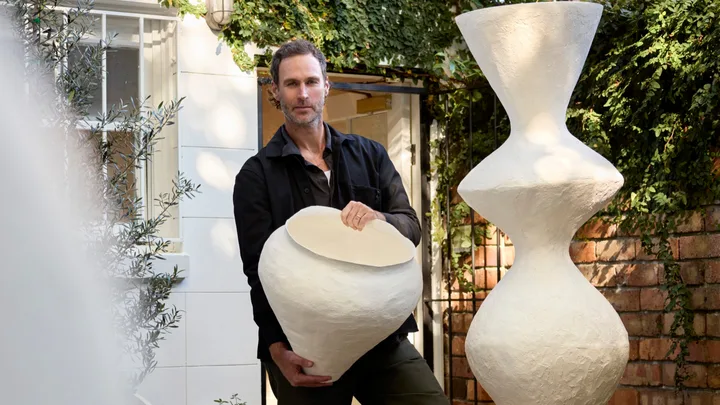
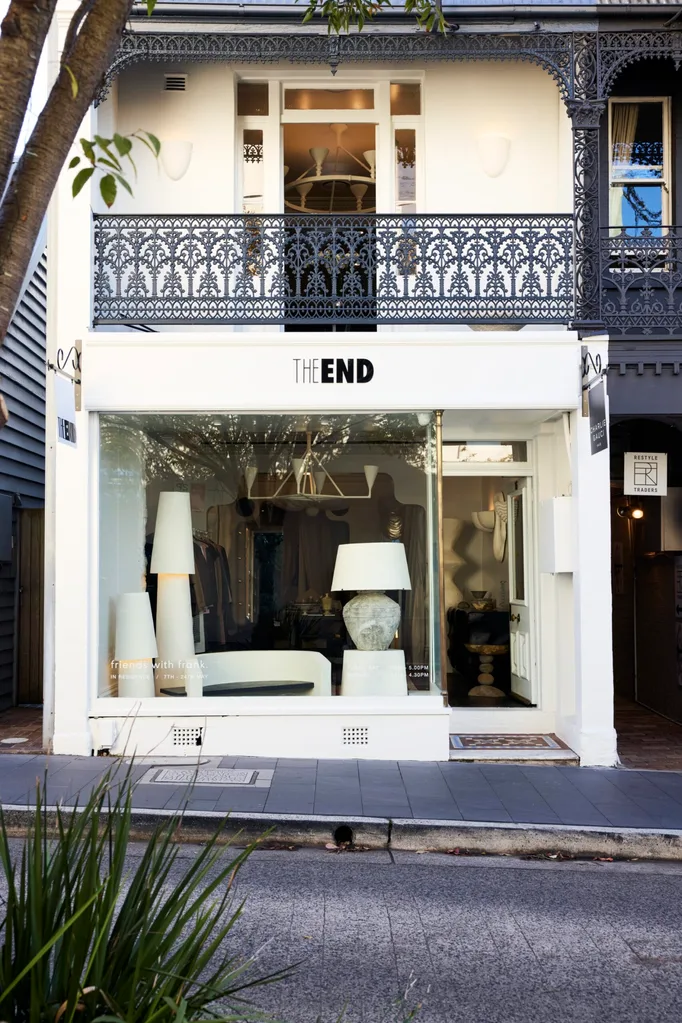
Well-chosen outdoor pieces are a good starting point, says James Maroun from TheEND – an artisanal lifestyle brand showcasing custom-made sculptural furniture, art pieces and hand-pressed concrete pots and planters.
James has built a small range around exactly this sensibility: handmade vessels, stone forms and outdoor pieces designed to carry a garden through every season, not just the easy ones. Each piece is crafted by skilled artisans so no two objects are the same. It’s the kind of shop worth visiting in early spring, when you’re still clear-eyed about what the garden actually needs.
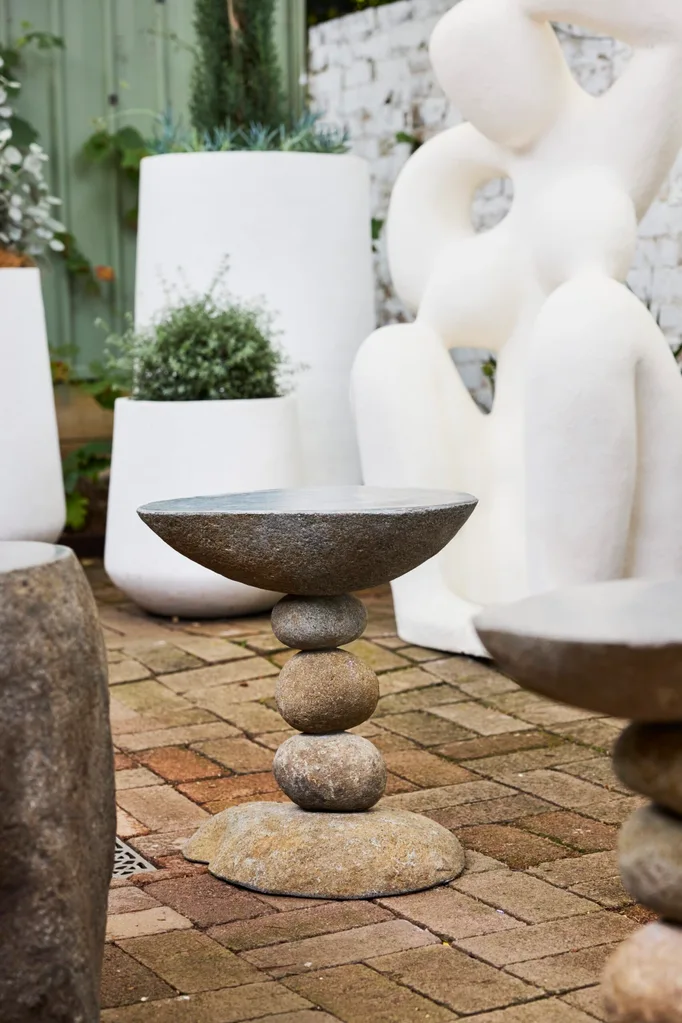
The principle holds wherever you source your pieces. Buy for the bones of the garden – for how something reads when there’s nothing in bloom around it – and it will reward you in every season that follows.
5 rules for choosing garden pots, planters and sculpture
1. Assess before you plant
September is the window between winter’s clarity and spring’s flattery. Walk the garden now and note what looks wrong: think scale, proportion, empty corners, before the new growth makes everything feel fine again.
2. Buy for the bones, not the blooms
A pot or sculpture that holds its own without anything flowering around it will look good in every season. If you’re only drawn to it because of what’s growing nearby, keep looking.
3. Scale before styling
Measure the space before you fall for a piece. Err on the side of larger rather than smaller – a generous vessel reads as intention; a small one reads as an afterthought.
4. Let one piece do the talking
In a small courtyard or on a balcony, a single well-proportioned object will read as more considered than several smaller ones competing for attention.
5. Consider custom
If you’ve looked everywhere and can’t find what you want, in particular for an unusual space or strong material palette, a bespoke planter or sculpture is a good solution.
The Design Team
Smokebush Studio: smokebushstudio.com.
TheEND: theendpiece.com.au.

Related stories
Native ad body.
Native ad body.
Native ad body.